Massage Therapy in Stittsville, Kanata & Ottawa: Relieve Pain, Recover Faster
July 10, 2025Chiropractic Care for Powerlifters in Ottawa: Managing Strain & Supporting Performance
July 14, 2025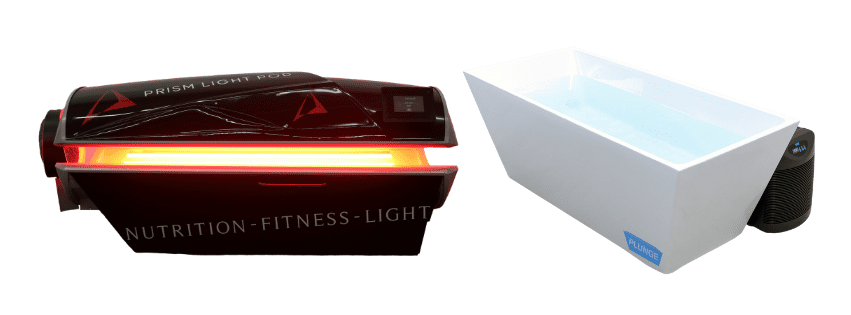
Recovery has a credibility problem.
Cold plunge influencers screaming about dopamine. Red light masks promising you’ll look 25 again. Compression boots marketed as the secret behind every elite athlete who’s ever existed. The signal-to-noise ratio is terrible, and the people who’d actually benefit from these tools — lifters, runners, rugby players, tactical professionals, weekend warriors who train hard enough to need it — are the ones most likely to tune the whole conversation out.
So here’s what the research actually says about stacking these three modalities, who benefits, in what order, at what dose, and where the evidence is genuinely strong vs. where the marketing has run ahead of the data.
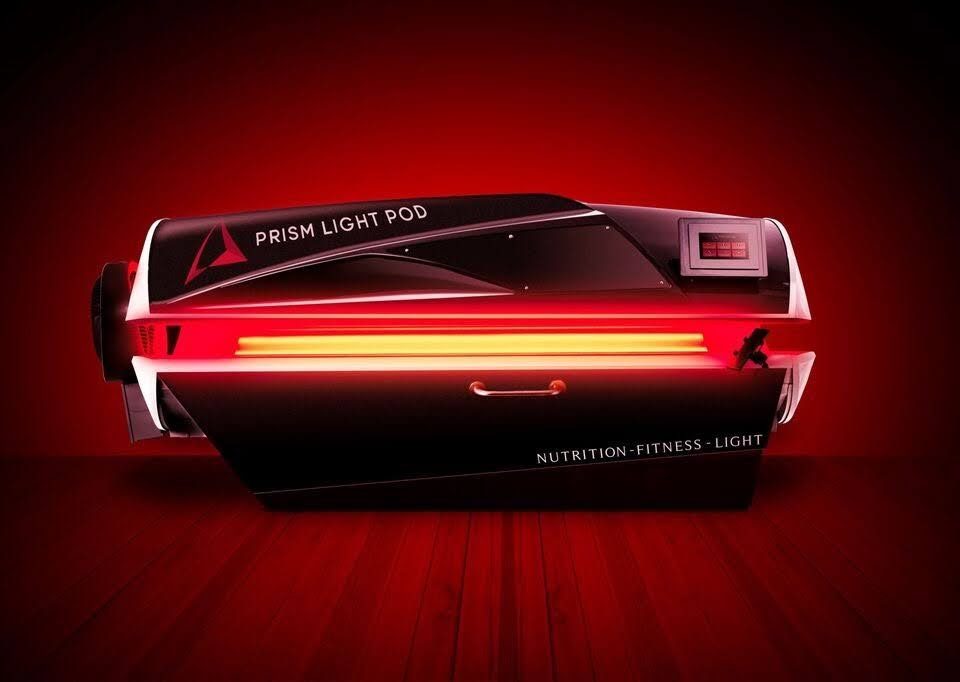
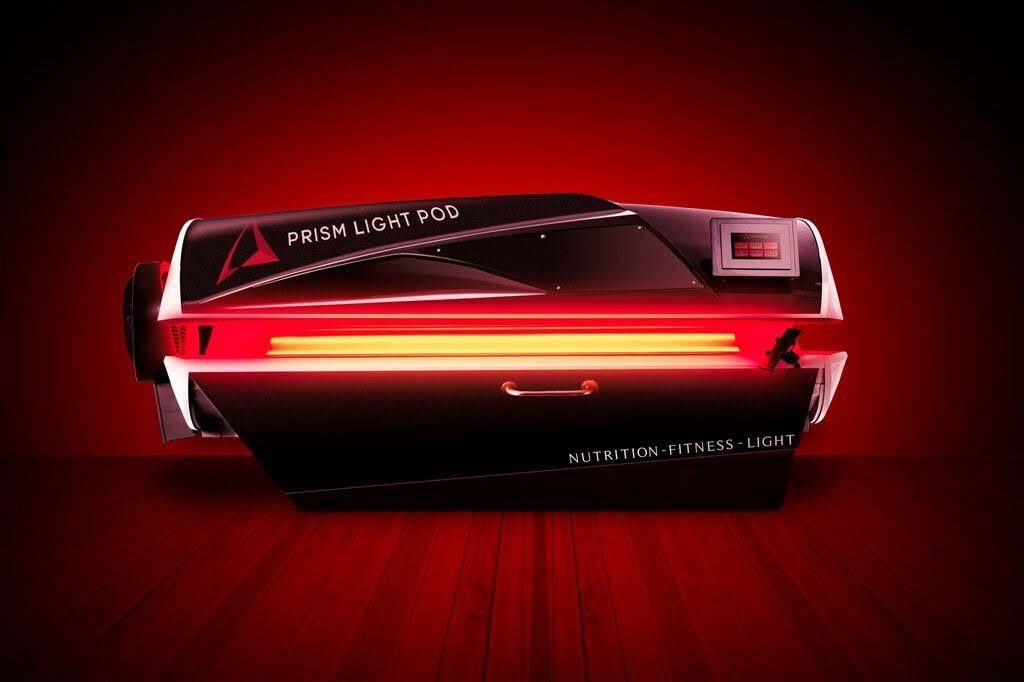
At Nobility Performance, we run all three under one roof: a full-body Prism Light Pod, commercial cold plunge, and pneumatic compression. This post is the honest version of how to use them.
Why stack at all?
Because each modality targets a different phase of recovery, and the phases don’t overlap.
- Cold plunge works on the early acute phase — the first hour or two after a hard session — primarily by reducing perceived soreness and modulating the inflammatory response.
- Photobiomodulation (red and near-infrared light) works on the cellular repair phase — mitochondrial function, ATP production, and the slower processes of tissue rebuilding that play out over days.[1]
- Pneumatic compression works on circulation and venous return, with its strongest evidence base for reducing perceived muscle soreness in the 48–72 hour window.[2][3]
You’re not running three slightly different versions of the same thing. You’re hitting three different mechanisms across three different timescales. That’s why stacking them works — and why doing them in the wrong order can blunt the benefits of the others.
1. Cold Plunge: the gateway modality
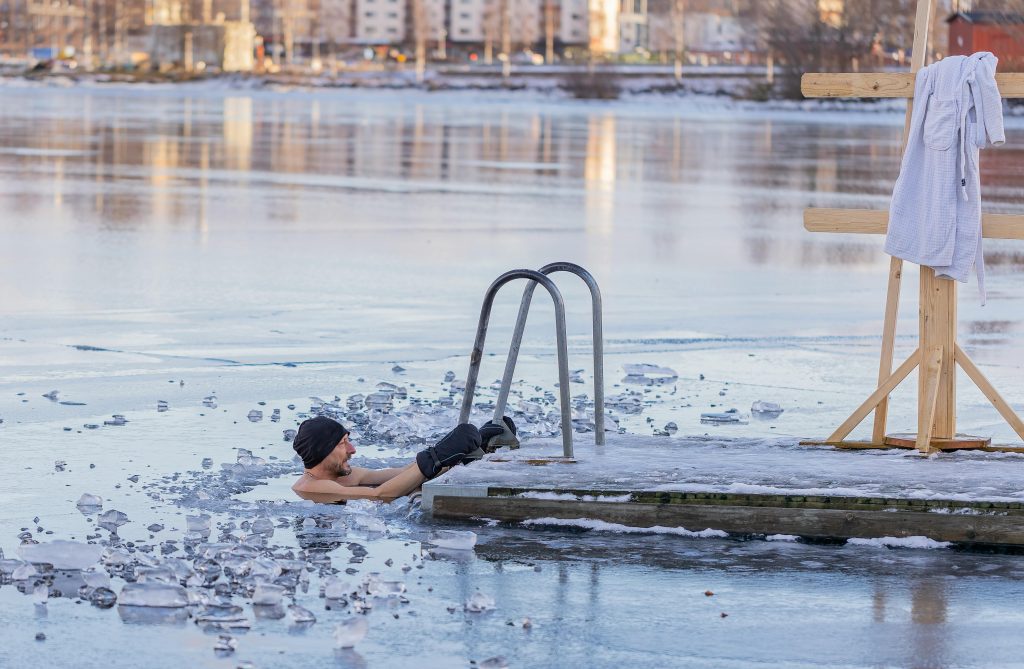
Cold water immersion (CWI) is the most-researched and most-misunderstood of the three. The evidence is genuinely good for some applications and genuinely overstated for others.
What it does well. Reduces post-exercise muscle soreness. Improves recovery between same-day or next-day training sessions. Provides a real, repeatable mood and alertness boost via the norepinephrine response. Helpful for managing minor soft tissue injuries (limit single-session exposure). Supports recovery in heat-stressed environments.
What it doesn’t do. “Heal” injuries. Replace good sleep, nutrition, or training load management. Burn meaningful calories.
The big caveat for lifters. Cold water immersion in the hours immediately following resistance training has been shown to blunt the hypertrophy and strength adaptations you’re trying to build. If you’re training for size or strength, plunge on a non-lifting day, or wait at least 4–6 hours after the session.
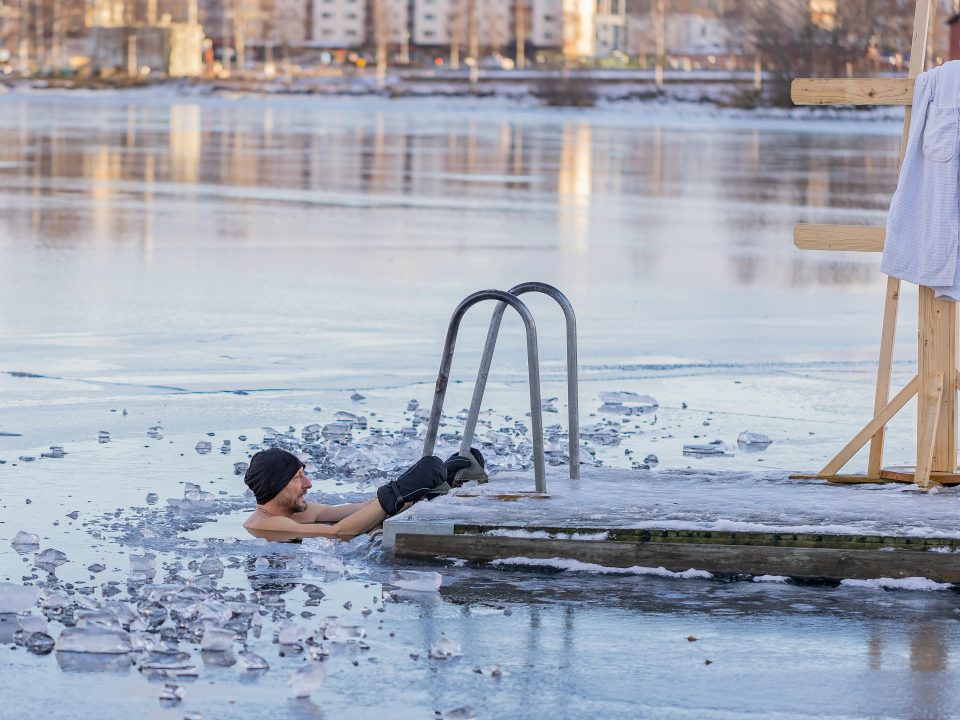
Practical protocol: 10–15°C (50–59°F), 2–3 minutes per session, ~11 minutes per week total spread across 3–5 sessions. Within 30–60 minutes of training if recovery is the goal; not on heavy lifting days if hypertrophy is the goal.
For the full evidence breakdown — including specific timing protocols, the hypertrophy research, and a deeper dive on what cold plunge actually does and doesn’t do — see our standalone post on cold water immersion for athletes.
At Nobility Performance: drop-in cold plunge is $20, or $60/month for unlimited access.
2. Photobiomodulation (PBM): the cellular recovery layer
Photobiomodulation — red light and near-infrared light therapy — is the modality where the research has caught up to (and in some cases exceeded) the marketing. It’s also the most relevant for the slower, multi-day side of recovery.
What it does, mechanistically. Red (620–700nm) and near-infrared (700–1440nm) wavelengths penetrate skin and tissue and are absorbed by cytochrome C oxidase in your mitochondria, increasing ATP production and modulating reactive oxygen species — both directly relevant to how your cells repair themselves.[1][4] Translation: your cells get more energy to do the slow, expensive work of repair.
What the research supports.
- Reduced muscle soreness and faster recovery between training sessions.
- Improved tissue repair and circulation.
- Reduced inflammation.
- Cellular energy support that compounds with consistent use.
- A 2025 NIA workshop review concluded PBM holds significant potential as a safe, effective therapeutic across a wide range of applications.[5]
Practical protocol: 15-minute full-body session, 2x per week minimum for noticeable cumulative effects. Most clients pair it with cold plunge in a single visit.
Why we run a Prism Light Pod specifically: coverage and dose. Most red light products treat a small area at a time. The Prism delivers a clinical-grade dose to your entire body — front and back — in 15 minutes, which is mechanically impossible with a panel or face mask.
For the deeper read on PBM — including the specific clinical trials, the evidence for skin and longevity applications, and what we don’t yet know — see our full post on red light therapy and cellular health.
3. Compression: the supportive third
Compression is the modality where we’ll be most honest with you: the evidence is genuinely positive but more modest than for the other two.
What the research shows.
- A 2022 systematic review and meta-analysis of 12 RCTs (322 participants) found pressotherapy significantly reduced muscle soreness, but did not significantly improve jump performance or reduce creatine kinase markers.[2]
- Pneumatic compression at higher pressures (~100 mmHg) outperformed lower pressures for tissue perfusion and muscle elasticity at 48 hours post-exercise.[6]
- External pneumatic compression during heavy resistance training overreaching protocols reduced soreness, preserved flexibility, and lowered markers of skeletal muscle oxidative stress and proteolysis.[7]
- Peak therapeutic effects on soreness and muscle contractile properties appear at 48–72 hours post-exercise, suggesting compression earns its keep most clearly the day or two after a hard session — not just immediately after.[3]
- An umbrella review of 29 systematic reviews (863 unique RCTs) classified compression as Class III evidence (moderate strength) for reducing delayed onset muscle soreness at 48 and 96 hours.[8]
The honest summary: compression’s strongest, most consistent benefit is perceived soreness reduction. Effects on objective performance metrics (jump height, max contraction) are smaller and less consistent.[9] That’s not a knock — perceived soreness is a real, valid recovery outcome that affects whether you train tomorrow. But we’d rather you know that than oversell it.
Practical protocol: 20–30 minutes per session at higher pressures. Most useful in the 24–72 hour post-training window — not just immediately after.
The order matters
Stacking isn’t just doing all three. The order is a real variable.
Same-day stack (post-training):
- Cold plunge first. Vasoconstriction, inflammation modulation, and the norepinephrine spike happen acutely. This is a “right after the work” modality.
- PBM second. Once your body has shifted out of the acute phase, photobiomodulation supports the cellular repair processes that play out over the next 24–72 hours. The vasodilation that follows the cold plunge actually improves the conditions for PBM to work.
- Compression third (optional same-day, or 24–72 hours later). Compression can fit on the same visit, but its strongest benefit is in the 48–72 hour window — meaning a separate visit a day or two after a hard session is often the higher-leverage play.
If you only have time for one:
- Hard session yesterday, sore today? Compression.
- Hard session today, training again tomorrow? Cold plunge.
- Cumulative recovery and longer-term tissue support? PBM, used consistently.
Who this is actually for
- Competitive and high-volume athletes. Lifters, runners, CrossFit and F45 regulars, rugby players, cyclists. Anyone whose training schedule means recovery is the limiting factor on next week’s performance.
- Tactical professionals. Police, military, and first responders managing physically demanding shifts and irregular sleep — populations where research-backed recovery tools genuinely earn their keep.
- Active professionals and weekend warriors. The people pushing hard enough to feel it the next morning, who don’t want to lose two days to soreness every time they progress their training.
- Members of professional sports organizations across the Ottawa area. The full-body recovery stack is well-represented in pro sport for a reason — it’s a real performance lever, not a placebo.
What a session at Nobility Performance actually looks like
- Arrive a few minutes early. Decompress in the lounge. Coffee or tea on the house — we take it more seriously than we probably should.
- Cold plunge first. 2–3 minutes in the plunge. The first 30–60 seconds are the hardest. Breathe. Don’t fight it.
- Red light second. 15 minutes in the Prism Light Pod. Strip down to underwear so the light reaches as much skin as possible. Eyewear provided.
- Compression third (optional). 20–30 minutes in the boots. Most clients use the time to actually relax — phone, podcast, a book.
- Total time: under an hour for the full stack. Most people are in and out in 45 minutes.
What the research doesn’t yet prove
Worth being upfront about:
- Cold plunge can blunt hypertrophy adaptations if used in the hours immediately after resistance training. If size and strength are your primary goals, separate cold plunge from your lifting sessions by 4–6 hours, or use it on non-lifting days.
- Compression’s effects on objective performance metrics are smaller than its effects on perceived soreness. Useful, but not a magic bullet.[9]
- Pneumatic vs. garment-based compression isn’t a settled debate. Pneumatic devices appear to have an edge on tissue perfusion and muscle elasticity, but garments still produce meaningful effects, particularly in the 24+ hour window.[10]
- PBM protocols vary widely across studies — wavelength, dose, frequency. The field is still standardizing.[11]
None of these caveats change whether the stack is worth using. They change how you use it. That’s why we walk every new client through their goals and training schedule before recommending a protocol.
If you are looking for recovery support in Stittsville and the Ottawa Valley. This is the place to go, they have a team of Chiropractor’s, Massage 💆🏼♂️ therapist, red light therapy and massage boots and much more!! Do you wanna help your game up your recovery 👊🏼👊🏼
Common questions
Do I need to use all three?
No. We’ll help you pick the modalities that match your training, schedule, and goals. Plenty of clients use just one. Plenty use all three on rotating days.
How long does a full stack session take?
Under an hour. Most clients are done in 45 minutes including the cold plunge.
Will cold plunge mess up my lifting gains?
Only if you’re cold plunging within a few hours of your strength training and chasing hypertrophy. Separate the two by 4–6 hours, or plunge on non-lifting days, and you’re fine.
How often should I be doing this?
Cold plunge: 3–5 sessions per week, ~11 minutes total. PBM: 2x per week minimum for cumulative effects. Compression: as needed, with strongest effects in the 24–72 hours after hard training.
Is any of this covered by insurance?
Generally not — these are wellness/performance services rather than covered medical treatments. Ask us about session packages and the cold plunge unlimited monthly membership ($60) if you’re committing to a regular protocol.
Can I book online?
Yes. Book a recovery session here.
Why Nobility Performance
- All three modalities under one roof. Most clinics offer one or two. We run cold plunge, full-body PBM, and pneumatic compression in the same visit.
- our full-body Prism Light Pod. Most local PBM is single-panel or face-mask scale.
- Multidisciplinary support. Chiropractic, physiotherapy, RMT, FST, shockwave, and dietetics are all part of the same clinic. Recovery doesn’t exist in a vacuum — your training, sleep, and nutrition all matter, and we have the team to support that.
- Evidence-based, not aspirational. We tell you what the research supports, where it’s strong, and where it’s still developing. No oversell.
Ready to recover like the work you’re doing actually deserves?
Book a single session to try the stack, or talk to us about a recovery membership if you’re training hard enough that this should be a regular part of your week.
→ Book a recovery session online
Questions about which modalities are right for your goals? Reach out to the team or learn more about PBM specifically.
References
- Maghfour J, Ozog DM, Mineroff J, et al. Photobiomodulation CME Part I: Overview and Mechanism of Action. J Am Acad Dermatol. 2024;91(5):793-802. doi.org/10.1016/j.jaad.2023.10.073
- Wiśniowski P, Cieśliński M, Jarocka M, et al. The Effect of Pressotherapy on Performance and Recovery in the Management of Delayed Onset Muscle Soreness: A Systematic Review and Meta-Analysis. J Clin Med. 2022;11(8):2077. doi.org/10.3390/jcm11082077
- Gu Z, Dai J, Xu K, et al. Effects of Intermittent Pneumatic Compression on Delayed Onset Muscle Soreness and Recovery of Muscular Fatigue. PM&R. 2025. doi.org/10.1002/pmrj.13377
- de Freitas LF, Hamblin MR. Proposed Mechanisms of Photobiomodulation or Low-Level Light Therapy. IEEE J Sel Top Quantum Electron. 2016;22(3):7000417. doi.org/10.1109/JSTQE.2016.2561201
- Frankowski DW, Ferrucci L, Arany PR, et al. Light Buckets and Laser Beams: Mechanisms and Applications of Photobiomodulation (PBM) Therapy. GeroScience. 2025;47(3):2777-2789. doi.org/10.1007/s11357-025-01505-z
- Trybulski R, Klich S, Valera-Calero JA, et al. Effect of Pneumatic and Cold Compression on Muscle Performance and Recovery in Combat Sports Athletes. Sci Rep. 2025;15(1):44993. doi.org/10.1038/s41598-025-29014-1
- Haun CT, Roberts MD, Romero MA, et al. Does External Pneumatic Compression Treatment Between Bouts of Overreaching Resistance Training Sessions Exert Differential Effects on Molecular Signaling and Performance-Related Variables Compared to Passive Recovery? An Exploratory Study. PLoS One. 2017;12(6):e0180429. doi.org/10.1371/journal.pone.0180429
- Wiecha S, Cieśliński I, Wiśniowski P, et al. Physical Therapies for Delayed-Onset Muscle Soreness: An Umbrella and Mapping Systematic Review With Meta-Meta-Analysis. Sports Med. 2025;55(5):1183-1212. doi.org/10.1007/s40279-025-02187-5
- Maia F, Nakamura FY, Pimenta R, et al. Intermittent Pneumatic Compression May Reduce Muscle Soreness but Does Not Improve Neuromuscular Function Following Exercise-Induced Muscle Damage: A Randomized Placebo-Controlled Trial. Int J Sports Physiol Perform. 2025. doi.org/10.1123/ijspp.2024-0410
- Brown F, Gissane C, Howatson G, et al. Compression Garments and Recovery From Exercise: A Meta-Analysis. Sports Med. 2017;47(11):2245-2267. doi.org/10.1007/s40279-017-0728-9
- Glass GE. Photobiomodulation: The Clinical Applications of Low-Level Light Therapy. Aesthet Surg J. 2021;41(6):723-738. doi.org/10.1093/asj/sjab025