
Chiro, Physio, or RMT: Who Do You Actually Need?
April 28, 2026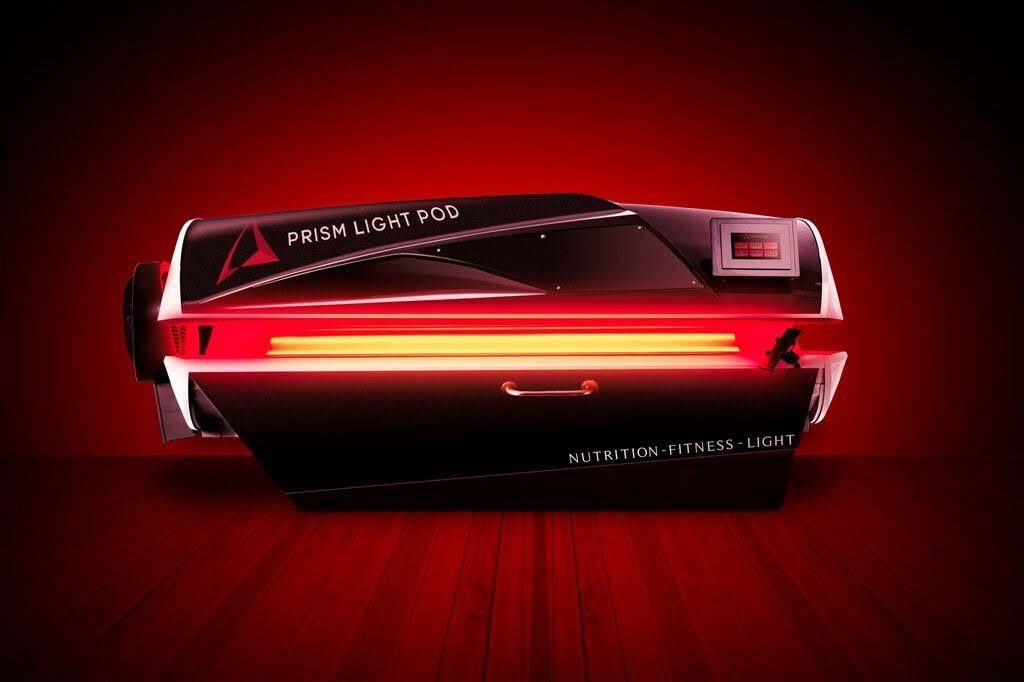
Red Light Therapy and Photobiomodulation in Ottawa: An Evidence-Based Guide
May 6, 2026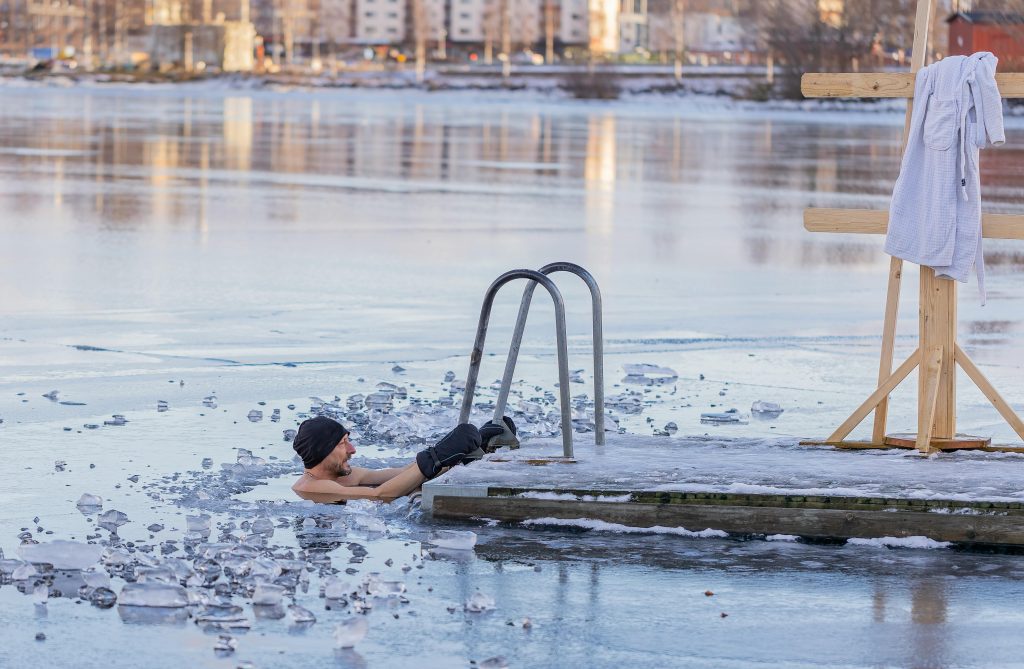
Cold plunge has had a strange decade. It went from “what hockey teams do after games” to “what your favourite podcast host talks about for forty-five minutes” — and somewhere in between, the actual research got buried under a lot of marketing.
So let’s separate signal from noise.
This is a long-form, citation-backed look at what cold water immersion (CWI) actually does, who benefits, who should be careful, and — most importantly — when the timing of your plunge can quietly sabotage the training you’re doing the rest of the week.
If you train hard, you’ll find this useful. If you lift specifically for size or strength, the hypertrophy section is required reading.
What cold plunge actually does (the physiology, in plain English)
Three things happen when you get into cold water, and each one drives a different part of the recovery effect.
- Your blood vessels constrict. Cold pulls blood out of your skin and limbs and into your core. That tightening reduces local swelling and fluid pooling in muscle tissue, which is part of why people report less soreness 24–72 hours later.
- Your nervous system fires. Cold immersion triggers a sharp, controlled release of norepinephrine — the alertness and focus neurotransmitter — that stays elevated for a couple of hours afterward. This is why you feel sharper after a plunge, and why the mood and cognitive effects compound over weeks of consistent use.[1]
- Your inflammation response shifts. Cold modulates the inflammatory cascade that follows hard exercise. Useful for managing soreness — and, as we’ll see, sometimes too useful if your goal is muscle growth.[2]
You don’t need to track these mechanisms while you’re shivering. But knowing they’re happening helps you understand why the timing of when you plunge matters as much as whether you do it at all.
What the research supports
Reduced post-exercise muscle soreness
This is where the evidence is strongest. A Cochrane review of 17 trials concluded that cold water immersion produces a small but real reduction in delayed onset muscle soreness (DOMS) compared to passive recovery, particularly in the 24–96 hour post-exercise window.[3]
Faster recovery between sessions
For athletes training multiple times per week — especially in team sports — cold water immersion has been shown to improve next-day performance metrics compared to passive recovery. A 2017 systematic review of CWI in team sport athletes found meaningful effects on recovery from fatigue and DOMS, particularly for athletes training or competing on consecutive days.[4]
Mental sharpness and mood
The norepinephrine response is real and it’s measurable. A 2023 imaging study of brief head-out cold water immersion found significant increases in positive affect and changes in how the brain’s large-scale networks interact — effects associated with improved mood and emotional regulation.[1] Anecdotally, this is the benefit clients report most often: not the soreness reduction, but the alertness and mood lift after.
Metabolic and thermogenic adaptation
Regular cold exposure over weeks produces measurable shifts in brown adipose tissue activity and cold-induced thermogenesis — the body’s ability to generate heat from cold exposure rather than shivering through it.[5] The popular “11 minutes per week” prescription you’ve heard on podcasts comes from interpreting this research alongside related cold-adaptation literature. It’s a reasonable synthesis figure rather than a randomized-trial prescription, but it’s a defensible target if metabolic adaptation is your goal.
Should you cold plunge after lifting? The hypertrophy caveat
This is the most important section in the post, and the one most cold plunge marketing carefully avoids.
The short answer: cold water immersion in the hours immediately following resistance training has been shown to blunt the muscle hypertrophy response. If you lift specifically to get bigger or stronger, this matters.
The landmark study is Roberts et al. (2015), published in The Journal of Physiology. The authors put trained men through 12 weeks of strength training, with one group doing cold water immersion after each session and the other doing active recovery. The CWI group showed significantly attenuated gains in muscle mass and isokinetic strength, alongside reduced acute anabolic signalling.[2]
A separate 2019 trial by Fyfe et al. confirmed the finding: cold water immersion immediately after resistance training attenuated muscle fiber hypertrophy and anabolic signalling, even though strength gains were preserved.[6]
The mechanism is exactly what makes cold plunge useful for soreness — it dampens the inflammatory and anabolic signalling that follow hard training. Some of that signalling is the noise you want to reduce. Some of it is the recovery cascade your muscles use to rebuild bigger and stronger. Cold plunge doesn’t distinguish between the two.
Important nuance: the picture is different for endurance training. A 2017 study found that cold water immersion following sprint interval training did not alter the endurance signalling pathways or training adaptations in skeletal muscle.[7] The hypertrophy concern is specific to resistance-training adaptations.
Practical translation
- If hypertrophy is your goal: Don’t cold plunge in the 4–6 hours after a strength session. Better yet, plunge on non-lifting days entirely.
- If you train for sport (rugby, hockey, soccer, CrossFit, etc.): The recovery benefit is usually worth the modest hypertrophy trade-off, especially in-season when soreness management directly affects next-game performance.
- If you’re a runner, cyclist, or other endurance athlete: Plunge whenever it fits your schedule. The hypertrophy concern doesn’t apply to your training adaptations.
- If you don’t lift at all: This isn’t a concern — plunge whenever works for you.
What about the “11 minutes a week” thing?
You’ve probably heard this number on a podcast. It comes from interpreting cold-adaptation research suggesting that a weekly accumulated cold exposure of around 11 minutes is associated with measurable metabolic and thermogenic adaptations.[5]
Useful as a general target. Not a magic threshold.
What matters more than hitting exactly 11 minutes:
- Spreading exposure across multiple sessions per week rather than one long session.
- Consistency over weeks, not heroics in any single plunge.
- Matching dose and timing to your specific goal — recovery, mood, hypertrophy management, or thermogenic adaptation.
Practical protocols by goal
Cold plunge isn’t one protocol — it’s at least three, depending on what you’re chasing.
| Goal | Temperature | Duration | Frequency | Timing |
|---|---|---|---|---|
| Post-exercise recovery | 10–15°C | 10–15 min | After hard sessions | Within 30–60 min post-training (not after lifting if hypertrophy is the goal) |
| Mood, alertness, focus | 10–15°C | 2–3 min | 3–5x / week | Morning is most effective for the cognitive lift |
| Metabolic / cold adaptation | 10–15°C | ~11 min total / week | Spread across 3–5 sessions | Anytime, consistency matters |
Common questions about the protocol:
- Colder isn’t better. 10–15°C is the range supported across most of the recovery and adaptation research. Pushing into single digits doesn’t reliably produce more benefit and increases the safety margin you’re operating in.
- Getting in: Enter deliberately. Breathe slowly and in control. The first 30–60 seconds are the hardest — the cold shock response peaks and then settles. Once you’re through that window, it becomes manageable quickly. Don’t fight it; breathe through it.
- Getting out: Let yourself rewarm naturally rather than jumping straight into a hot shower. The gradual rewarming carries some of the metabolic and thermogenic benefit.
It’s a tool, not a foundation
Cold water immersion works best as part of a solid recovery routine — not as a substitute for one.
It supports good sleep. It doesn’t replace it. It supports good nutrition. It doesn’t replace it. It supports appropriate training load management. It doesn’t replace it.
If your sleep is short, your nutrition is inconsistent, and your training schedule has no rest days — the plunge isn’t going to fix that. It’s a small positive addition to a foundation that needs attention elsewhere first.
Used in context, it’s one of the better recovery tools available. Used as a substitute for the basics, it’s expensive theatre.
⭐⭐⭐⭐⭐
From start to finish, our cold plunge experience was amazing. Mike explained everything beforehand and stayed in the room through, explaining/supporting along the way, and prompting breathing exercises. He made us feel welcome and confident trying this new experience. Honestly, I cant say enough about the professionalism and overall atmosphere at Nobility. Thanks for having us.
Who this is for
- Competitive athletes training multiple times per week — particularly in-season, when soreness management directly affects next-game performance.
- Endurance athletes (runners, cyclists, swimmers) where the hypertrophy concern doesn’t apply and the recovery benefits land cleanly.
- Tactical professionals managing physical demands and irregular sleep — populations where mood, alertness, and recovery all matter and a 3-minute morning plunge is one of the better levers available.
- People chasing metabolic adaptation as part of a longer-term health and longevity practice.
- Anyone whose sleep, focus, or stress regulation could use a cheap, repeatable lever — the cognitive and mood effects compound with consistent use.
What the research doesn’t yet prove
Worth being upfront about:
- Optimal protocol parameters aren’t fully settled. The temperature, duration, and frequency ranges in the research are broad. The recommendations above are the best synthesis, not gospel.
- Cold plunge vs. active recovery isn’t a knockout win. Some studies have found cold water immersion is no more effective than active recovery for inflammation markers — the case for CWI rests more on perceived recovery and soreness than on objective inflammatory measures.[8]
- Long-term effects on hypertrophy haven’t been studied beyond 12–15 week training blocks. Whether the hypertrophy attenuation persists or diminishes with continued use isn’t known.
- Safety considerations exist. Cold water immersion isn’t appropriate for everyone — people with cardiovascular conditions, uncontrolled hypertension, Raynaud’s, or cold urticaria should consult their physician first.[9]
What a cold plunge session at Nobility Performance looks like
- Walk in, plunge, walk out. Sessions are self-directed. The plunge is set to the right temperature; you control your time in.
- Private, simple, repeatable. Same setup every time, so you can build a real practice rather than guessing at conditions.
- Stack-friendly. Most clients who do cold plunge also use the Prism Light Pod for the recovery layer that follows. More on stacking the recovery modalities here.
- Pricing: $20 drop-in, or $60/month for unlimited access — which is the right structure if you’re committing to a real practice.
Common questions
Will cold plunge actually kill my gains?
Only if you’re plunging within a few hours of resistance training and the goal is hypertrophy. Separate by 4–6 hours, or plunge on non-lifting days, and you’re fine. See the hypertrophy section for the full breakdown.
Is colder better?
No. 10–15°C is the supported range. Going colder doesn’t produce more benefit and increases your safety margin.
How long should I stay in?
Depends on your goal. 2–3 minutes for mood and alertness; 10–15 minutes for full recovery effects; ~11 minutes per week total for metabolic adaptation. See the protocol table above.
Should I shower hot afterward?
Let yourself rewarm naturally if you can. The gradual rewarm carries part of the benefit. A hot shower won’t ruin the session, but it short-circuits some of the thermogenic effect.
Is it safe?
For most healthy adults, yes. People with cardiovascular conditions, uncontrolled hypertension, Raynaud’s, cold urticaria, or other cold-sensitive conditions should consult their physician before starting a cold plunge practice.[9]
How do I pair cold plunge with red light therapy?
Cold plunge first, red light second. Vasoconstriction and the acute neurological effects happen first; photobiomodulation supports the cellular repair that follows. More on PBM here.
Can I book online?
Yes. Book a recovery session here.
The bottom line
Cold water immersion is a legitimate recovery tool with a real evidence base — for the right situations, at the right times, used consistently rather than heroically.
It reduces post-exercise soreness. It supports recovery between training sessions. It produces real, measurable mood and alertness benefits. It contributes to metabolic adaptation when used regularly.
It is not a miracle. It won’t replace sleep, fix nutrition, or transform your physiology in the ways social media suggests. And if hypertrophy is your goal, the timing of your plunge deserves more thought than most people give it.
Used well, the cold plunge is one of the better tools in your recovery kit. Used as a marketing trend, it’s expensive theatre.
Ready to actually use it?
Drop-in cold plunge at Nobility Performance is $20, or $60/month for unlimited access. If you’re not sure which protocol fits your goals, book in and we’ll walk through it.
Want to see how cold plunge fits with the rest of recovery? Read our full recovery stack guide.
Try cold water immersion in Stittsville.
References
- Yankouskaya A, Williamson R, Stacey C, et al. Short-Term Head-Out Whole-Body Cold-Water Immersion Facilitates Positive Affect and Increases Interaction Between Large-Scale Brain Networks. Biology (Basel). 2023;12(2):211. doi.org/10.3390/biology12020211
- Roberts LA, Raastad T, Markworth JF, et al. Post-Exercise Cold Water Immersion Attenuates Acute Anabolic Signalling and Long-Term Adaptations in Muscle to Strength Training. J Physiol. 2015;593(18):4285-4301. doi.org/10.1113/JP270570
- Bleakley C, McDonough S, Gardner E, et al. Cold-Water Immersion (Cryotherapy) for Preventing and Treating Muscle Soreness After Exercise. Cochrane Database Syst Rev. 2012;(2):CD008262. doi.org/10.1002/14651858.CD008262.pub2
- Higgins TR, Greene DA, Baker MK. Effects of Cold Water Immersion and Contrast Water Therapy for Recovery From Team Sport: A Systematic Review and Meta-Analysis. J Strength Cond Res. 2017;31(5):1443-1460. doi.org/10.1519/JSC.0000000000001559
- Søberg S, Löfgren J, Philipsen FE, et al. Altered Brown Fat Thermoregulation and Enhanced Cold-Induced Thermogenesis in Young, Healthy, Winter-Swimming Men. Cell Rep Med. 2021;2(10):100408. doi.org/10.1016/j.xcrm.2021.100408
- Fyfe JJ, Broatch JR, Trewin AJ, et al. Cold Water Immersion Attenuates Anabolic Signaling and Skeletal Muscle Fiber Hypertrophy, but Not Strength Gain, Following Whole-Body Resistance Training. J Appl Physiol. 2019;127(5):1403-1418. doi.org/10.1152/japplphysiol.00127.2019
- Broatch JR, Petersen A, Bishop DJ. Cold-Water Immersion Following Sprint Interval Training Does Not Alter Endurance Signaling Pathways or Training Adaptations in Human Skeletal Muscle. Am J Physiol Regul Integr Comp Physiol. 2017;313(4):R372-R384. doi.org/10.1152/ajpregu.00434.2016
- Allan R, Mawhinney C. Is the Ice Bath Finally Melting? Cold Water Immersion Is No Greater Than Active Recovery Upon Local and Systemic Inflammatory Cellular Stress in Humans. J Physiol. 2017;595(6):1857-1858. doi.org/10.1113/JP273796
- Tipton MJ, Collier N, Massey H, et al. Cold Water Immersion: Kill or Cure? Exp Physiol. 2017;102(11):1335-1355. doi.org/10.1113/EP086283
