Red Light Therapy and Photobiomodulation in Ottawa: An Evidence-Based Guide
May 6, 2026
Welcome Isabelle Smith, RD: Nobility Performance’s New Registered Dietitian
May 19, 2026
You can’t out-skincare an Ottawa winter. The cold, the dry indoor heat, the dehydration that comes with both — they age skin faster than they age the rest of you, and no amount of $90 serum fully fixes it.
Red light therapy is one of the few non-invasive interventions with a real and growing peer-reviewed evidence base for skin texture, collagen support, and cellular recovery — including a 2025 randomized controlled trial in women aged 45–60 that found measurable wrinkle reduction with just two sessions per week.[4]
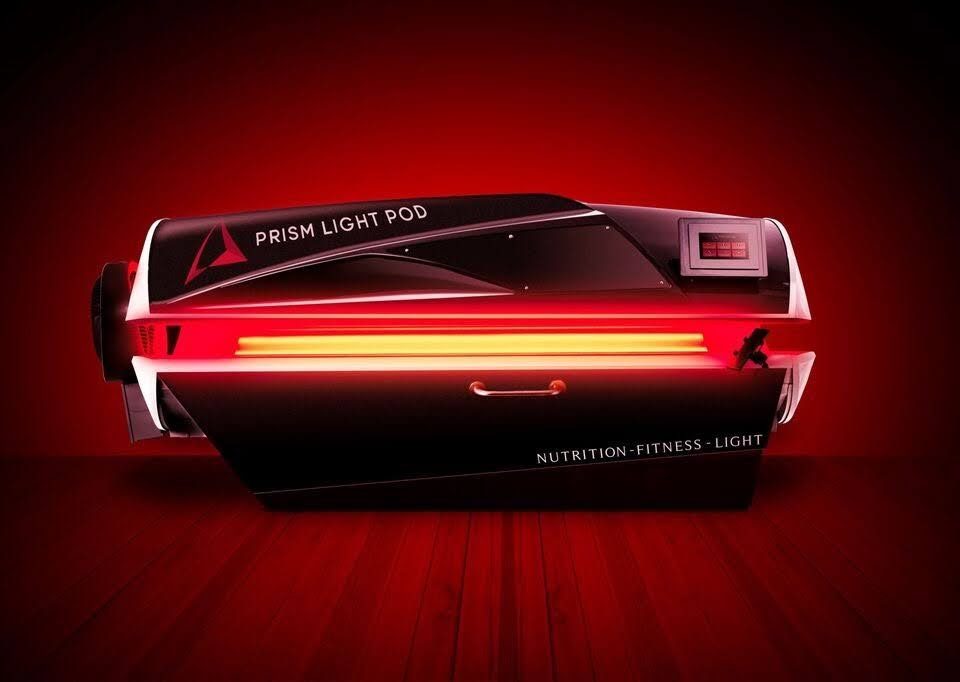
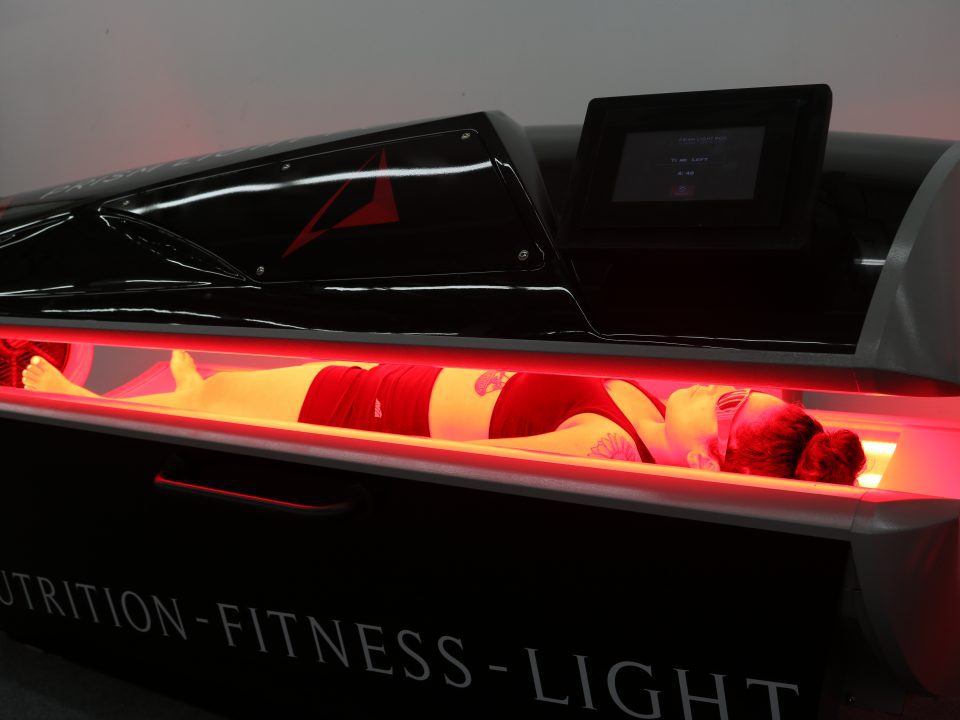
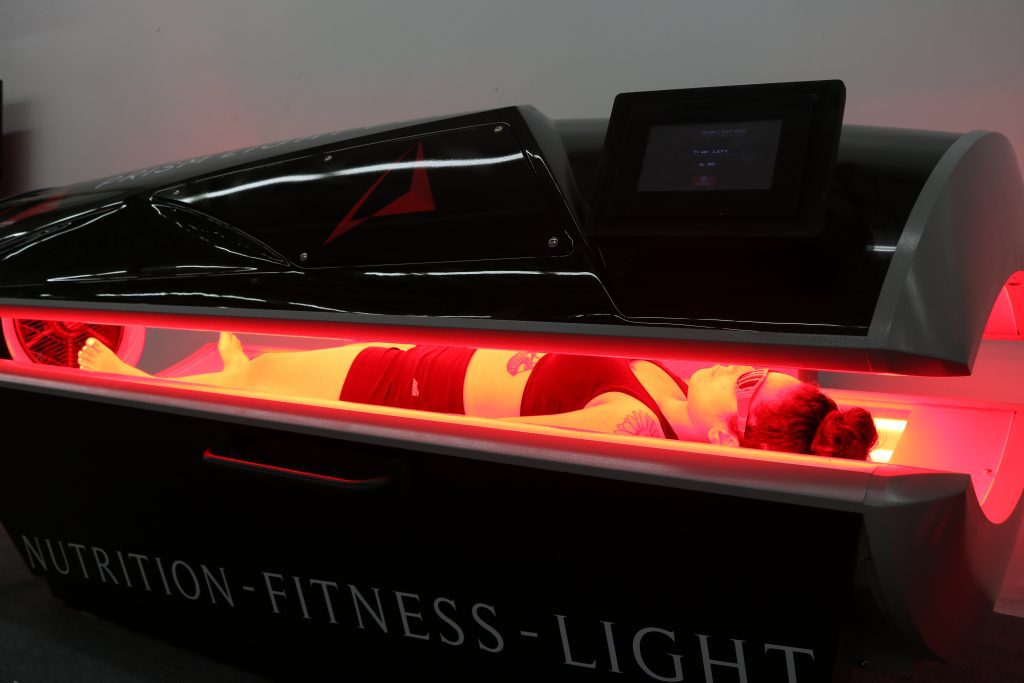
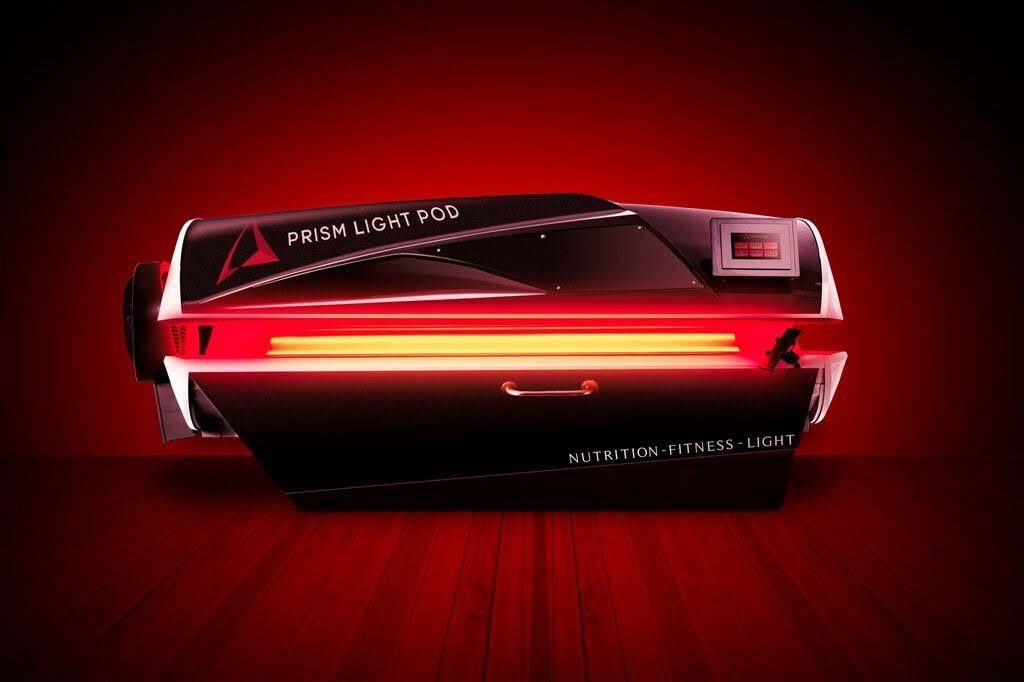
At Nobility Performance, we run our full-body Prism Light Pod — a 15-minute treatment that delivers therapeutic red and near-infrared light to every square inch of skin at once, instead of one device-sized patch at a time.
This guide walks through what red light therapy actually does at the cellular level, what the published research shows, what a real protocol looks like, and what to expect when you book.
What red light therapy actually does (mechanism)
Red light therapy — clinically known as photobiomodulation (PBM) — uses red (620–700nm) and near-infrared (700–1440nm) wavelengths.[1] These wavelengths penetrate skin and tissue and are absorbed by cytochrome C oxidase, an enzyme inside your mitochondria.[1][2] That absorption triggers a measurable cellular cascade:
- Increased mitochondrial ATP production — your cells get more energy to do their jobs, including the slow, expensive ones like collagen synthesis.[1][2]
- Modulation of reactive oxygen species and intracellular calcium, both implicated in cellular aging.[1]
- Upregulation of collagen synthesis and growth factors, alongside downregulation of matrix metalloproteinases (MMPs) — the enzymes that break down the structural proteins in your skin.[1]
- Activation of growth and repair pathways (PI3K, IGF) that drive cellular proliferation and tissue repair.[1]
A 2025 NIA workshop review in GeroScience concluded that PBM holds significant potential as a safe and effective therapeutic approach for a wide range of age-related conditions, while emphasizing the need for further protocol-optimization research.[3]
Translation: at the right wavelengths, light shifts skin cells from a degradation-dominant state to a repair-and-build state.
What the research shows for skin
Skin rejuvenation is where PBM has the strongest clinical evidence to date.[17] A few of the more relevant studies:
- Wrinkle reduction in women aged 45–60. A 2025 randomized, sham-controlled, double-blind trial (n=95) using a 660nm LED device found significant reductions in glabellar (between-the-eyebrows) and periorbital (around-the-eyes) wrinkle length compared to sham, with patient satisfaction rates of 74–80%. Two sessions per week was sufficient; three sessions per week didn’t produce additional benefit.[4]
- Measurable changes in skin biology. A single-blinded study using pulsed 660nm LED demonstrated a 31% increase in type-1 procollagen and an 18% reduction in MMP-1 in tissue-engineered skin, with over 90% of treated participants showing reduced wrinkle depth clinically.[5]
- 27% wrinkle reduction over 12 weeks. A separate broad-spectrum near-infrared LED trial (n=20, 12 weeks) showed wrinkle reduction up to 27%, alongside improvements in skin elasticity, moisture, and density.[6]
- Effects on cellular senescence. A 2025 systematic review proposed that PBM may reduce the burden of senescent cells in skin — a hormesis-driven mechanism the authors describe as promoting “skin anti-fragility and longevity.”[7]
Translation: there are randomized trials with measurable, real-world results — not aspirational marketing. There are women in their 40s and 50s in published studies showing demonstrably less wrinkling after two to three months of consistent use.
Other applications PBM is being studied for
Skin is the lead use case, but the same modality is being investigated across several adjacent domains:
- Hair growth in androgenetic alopecia. A meta-analysis of 38 studies (n=3,098) found low-level laser therapy significantly increased hair density compared to placebo, and a multicenter RCT using a helmet device showed a 41.9 hairs/cm² density increase at 16 weeks versus 0.72 in controls.[15][16]
- Cognitive function in aging adults. A meta-analysis of 11 RCTs found a moderate effect of PBM on global cognition in aging adults, with direct evidence of improved brain ATP synthesis on MRS imaging after transcranial PBM.[8][9]
- Dry age-related macular degeneration (AMD). The LIGHTSITE III trial (n=148 eyes, 24-month follow-up) showed both vision improvement and significantly reduced progression to geographic atrophy in the PBM group.[11]
These are different protocols and different devices than what we use for skin and recovery. We mention them only to make a point: PBM as a modality has more downstream research support than most non-invasive wellness interventions. For the comprehensive evidence breakdown across all PBM applications, see our full red light therapy guide.
Who this is actually for
Most of our PBM regulars fall into one of three camps:
- The recovery stack. Lifters, runners, F45 / CrossFit / Pilates regulars who already cold-plunge and foam-roll. Red light is the last meaningful “free upgrade” left for active recovery, and it pairs almost too well with cold immersion.
- The longevity-minded. People who track their sleep, eat with intention, and resent how aggressively Ottawa winters age skin. They want a tool that does something measurable, not just smells nice.
- The post-30 skin shift crowd. The mirror stopped doing them favors and they’re not looking for surgery, fillers, or a 12-step routine. They want a low-friction, evidence-based intervention they can do once or twice a week.
If you’re in any of these groups, you’re in the right place.
What it actually takes to see results
PBM is dose-dependent — meaning frequency and consistency matter more than the intensity of any single session. Sporadic visits don’t do much. Consistent ones do.
The 2025 RCT in women aged 45–60 found that two sessions per week was sufficient to produce measurable wrinkle reduction over 8–12 weeks, and that adding a third weekly session didn’t improve outcomes.[4] That’s the basis of our protocol.
| Phase | Frequency | Duration |
|---|---|---|
| Loading | 2 sessions / week | First 8–12 weeks |
| Maintenance | 1 session / week | Ongoing |
When you’ll notice changes:
- Skin tone and brightness: typically within 2–3 weeks of consistent use.
- Texture and firmness: 8–12 weeks. Collagen turnover is biologically slow — there’s no shortcut.
- Holding the gains: the studies that tracked it found benefits gradually reverse if treatment stops entirely.[11][13] This is a maintenance practice, not a one-time fix.
If anyone tells you you’ll look ten years younger after one session, run.
What a session at Nobility Performance actually looks like
- Walk in, light up, walk out. A full session in the Prism takes 15 minutes. You’ll feel a gentle warmth, see a lot of red and near-infrared light, and that’s the whole experience.
- No UV. No tan. No sunburn risk. The therapeutic wavelengths that target tissue are completely separate from the UV-A and UV-B that tan or burn skin.
- More skin exposed = more skin treated. Most clients strip down to underwear so the light reaches as much surface area as possible. The room is private and the session is unattended.
- Eyewear provided. Standard for any clinical light treatment.
- Coffee on the way out. We take it more seriously than we probably should.
What the research doesn’t yet prove
Worth being honest about:
- Protocols vary widely across studies — wavelength, dose, frequency, and session duration aren’t yet standardized.[17][10]
- Sample sizes in some trials are small and follow-up is often short.[17][18]
- Effects appear to require ongoing treatment to maintain. Stop entirely, and benefits gradually reverse.[11][13]
- LED-based vs. laser-based devices haven’t been definitively compared, though both have positive trial data.[17]
We use PBM at the clinic because the evidence is genuinely promising, the safety profile is excellent (mild, self-limiting redness is the most common side effect),[1] and our experience with clients matches the published findings. It’s not a miracle treatment. It’s a well-supported tool, used consistently, alongside the rest of your routine.
Pairs well with
PBM hits differently when you stack it. The combinations our clients use most:
- Cold immersion → red light, in that order. The plunge stimulates norepinephrine and tightens vasculature; the light recovers and repairs. A common 30-minute combo. More on cold plunge here.
- RMT or chiropractic → red light. Address the underlying tissue, then accelerate the recovery.
- Full-body PBM + your existing skincare. Topical products work better on well-circulated, well-supported skin.
For the full breakdown on stacking PBM with cold plunge and pneumatic compression, see our recovery stack guide.
[Testimonial placeholder — drop in a real client quote here. Ideal: 1–2 sentences, mentions a specific result or how it fits into their routine.]
Common questions
How soon will I see results?
Most people report skin tone and brightness changes within 2–3 weeks of consistent use (two sessions per week). Texture and firmness — the collagen-driven changes — typically take 8–12 weeks. PBM is a play-the-long-game treatment, but the long game isn’t actually that long.
Is it safe for all skin types?
Yes. Red and near-infrared light don’t pigment skin, don’t burn, and don’t trigger a melanin response the way UV does. PBM is considered safe across all skin tones, with mild, self-limiting redness being the most common side effect.[1]
Will I get a tan?
No. The pod emits red and near-infrared wavelengths, which are entirely separate from the UV-A and UV-B light that tan or burn skin.
Can I combine red light with other skincare or treatments?
Almost always yes. PBM tends to enhance other treatments — topical actives, microneedling, facials — rather than conflict with them. If you’re on photosensitizing medications or have a specific skin condition, mention it to your provider before booking.
How is the Prism Light Pod different from at-home red light masks or panels?
Coverage and dose. Most at-home devices treat a small area at a time, often at lower power densities than what’s required for deeper tissue effects. The Prism delivers a clinical-grade dose to your entire body in one session — mechanically impossible with a face mask or single panel.
Is it covered by insurance?
Generally not. PBM is considered a wellness service rather than a covered medical treatment. Ask us about session packages — they bring the per-session cost down significantly for anyone committing to a loading phase.
Why Nobility Performance
- a full-body Prism Light Pod. Most PBM in the city is single-panel or face-mask scale.
- Multidisciplinary support. Chiropractic, physiotherapy, RMT, FST, shockwave, cold immersion, and nutrition are all under the same roof. PBM is a piece of a larger recovery and longevity stack — not a one-off.
- Evidence-based, not aspirational. We use the modalities the research supports, and we’re upfront about what they can and can’t do.
Ready to see what the research-backed approach looks like in practice?
Book a single 15-minute session to try it, or ask us about loading-phase packages if you’re ready to commit to real results.
→ Book a Red Light Therapy session
Still have questions? Reach out to the team or learn more about PBM at our dedicated education site.
Try full-body red light therapy in Stittsville.
Related reading
- The full PBM evidence-based guide — comprehensive coverage of all applications, device types, and protocols.
- Cold water immersion: the evidence-based guide — the cold-side companion to PBM.
- The full recovery stack — PBM, cold plunge, and compression together.
References
- Maghfour J, Ozog DM, Mineroff J, et al. Photobiomodulation CME Part I: Overview and Mechanism of Action. J Am Acad Dermatol. 2024;91(5):793-802. doi.org/10.1016/j.jaad.2023.10.073
- de Freitas LF, Hamblin MR. Proposed Mechanisms of Photobiomodulation or Low-Level Light Therapy. IEEE J Sel Top Quantum Electron. 2016;22(3):7000417. doi.org/10.1109/JSTQE.2016.2561201
- Frankowski DW, Ferrucci L, Arany PR, et al. Light Buckets and Laser Beams: Mechanisms and Applications of Photobiomodulation (PBM) Therapy. GeroScience. 2025;47(3):2777-2789. doi.org/10.1007/s11357-025-01505-z
- Bragato EF, Paisano AF, Pavani C, et al. Role of Photobiomodulation Application Frequency in Facial Rejuvenation: Randomized, Sham-Controlled, Double-Blind, Clinical Trial. Lasers Med Sci. 2025;40(1):170. doi.org/10.1007/s10103-025-04383-1
- Barolet D, Roberge CJ, Auger FA, et al. Regulation of Skin Collagen Metabolism in Vitro Using a Pulsed 660nm LED Light Source. J Invest Dermatol. 2009;129(12):2751-9. doi.org/10.1038/jid.2009.186
- Kim JH, Seo J, Koh A, et al. Clinical Application of a New Near-Infrared LED for Skin Rejuvenation and Hair Growth Enhancement. Aesthetic Plast Surg. 2026;50(7):2743-2751. doi.org/10.1007/s00266-025-05476-6
- Kelm RC, Murphrey MB. The Impact of Lasers and Energy-Based Devices on Cellular Senescence: A Systematic Review. Lasers Surg Med. 2025. doi.org/10.1002/lsm.70079
- Gao Y, An R, Huang X, et al. Effectiveness of Photobiomodulation for People With Age-Related Cognitive Impairment. Lasers Med Sci. 2023;38(1):237. doi.org/10.1007/s10103-023-03899-8
- Fear EJ, Torkelsen FH, Zamboni E, et al. Use of ³¹P MRS to Measure ATP Changes After 670nm Transcranial PBM in Older Adults. Aging Cell. 2023;22(11):e14005. doi.org/10.1111/acel.14005
- Rodríguez-Fernández L, Zorzo C, Arias JL. Photobiomodulation in the Aging Brain: A Systematic Review. GeroScience. 2024;46(6):6583-6623. doi.org/10.1007/s11357-024-01231-y
- Jaffe GJ, Boyer D, Hu A, et al. Long-Term Efficacy and Safety of Photobiomodulation in Dry AMD (LIGHTSITE III: 24-Month Analysis). Retina. 2026;46(5):783-795. doi.org/10.1097/IAE.0000000000004822
- Henein C, Steel DH. Photobiomodulation for Non-Exudative Age-Related Macular Degeneration. Cochrane Database Syst Rev. 2021;5:CD013029. doi.org/10.1002/14651858.CD013029.pub2
- Nassisi M, Mainetti C, Paparella GR, et al. Short-Term Efficacy of Photobiomodulation in Early and Intermediate AMD: The PBM4AMD Study. Eye (Lond). 2024;38(18):3467-3472. doi.org/10.1038/s41433-024-03326-4
- Syed SB, Ahmet I, Chakir K, et al. Photobiomodulation Therapy Mitigates Cardiovascular Aging and Improves Survival. Lasers Surg Med. 2023;55(3):278-293. doi.org/10.1002/lsm.23644
- Perez SM, Vattigunta M, Kelly C, Eber A. Low-Level Laser and LED Therapy in Alopecia: A Systematic Review and Meta-Analysis. Dermatol Surg. 2025;51(2):179-183. doi.org/10.1097/DSS.0000000000004442
- Yoon JS, Ku WY, Lee JH, Ahn HC. Low-Level Light Therapy Using a Helmet-Type Device for AGA: A 16-Week Multicenter RCT. Medicine. 2020;99(29):e21181. doi.org/10.1097/MD.0000000000021181
- Glass GE. Photobiomodulation: The Clinical Applications of Low-Level Light Therapy. Aesthet Surg J. 2021;41(6):723-738. doi.org/10.1093/asj/sjab025
- Gupta AK, Taylor D, Nouri K. Lasers for Treatment of Androgenetic Alopecia: An In-Depth Analysis. Lasers Med Sci. 2025;40(1):108. doi.org/10.1007/s10103-025-04365-3