Extracorporeal Shockwave Therapy
Shockwave Therapy
A fast, non-invasive way to break through stubborn tendon and soft-tissue injuries, so you can get back to training.
Book an AssessmentNew here? Shockwave isn’t a walk-in. Start with a chiro or physio assessment, and we’ll build shockwave into your care plan.
The Treatment
What Is Shockwave Therapy?
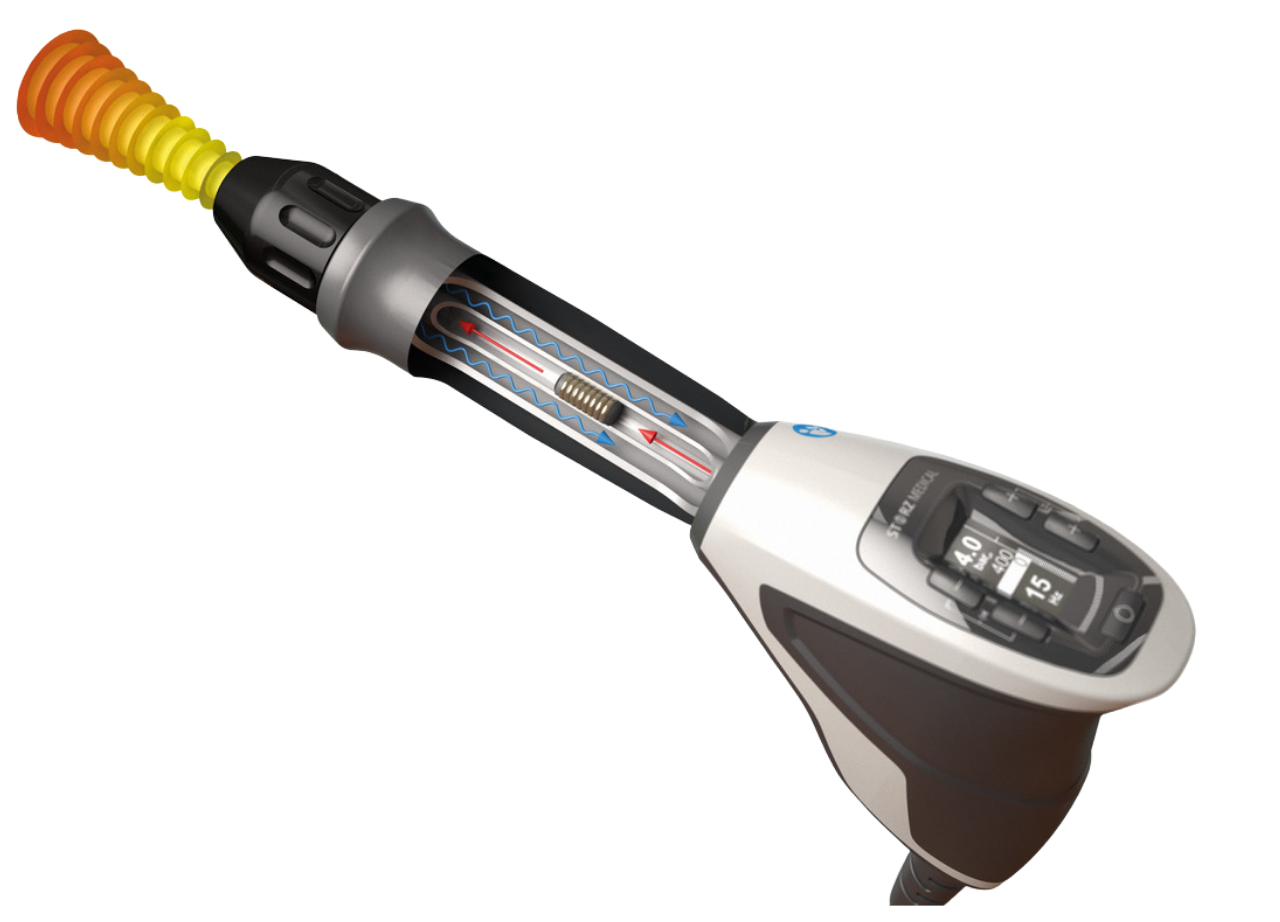
Shockwave therapy, also called extracorporeal or radial pressure-wave therapy, delivers targeted, high-energy acoustic pulses into injured tissue. Those pulses ramp up blood flow, break down scar tissue and calcium build-up, and trigger your body’s own repair response in tendons and soft tissue that have stalled out.
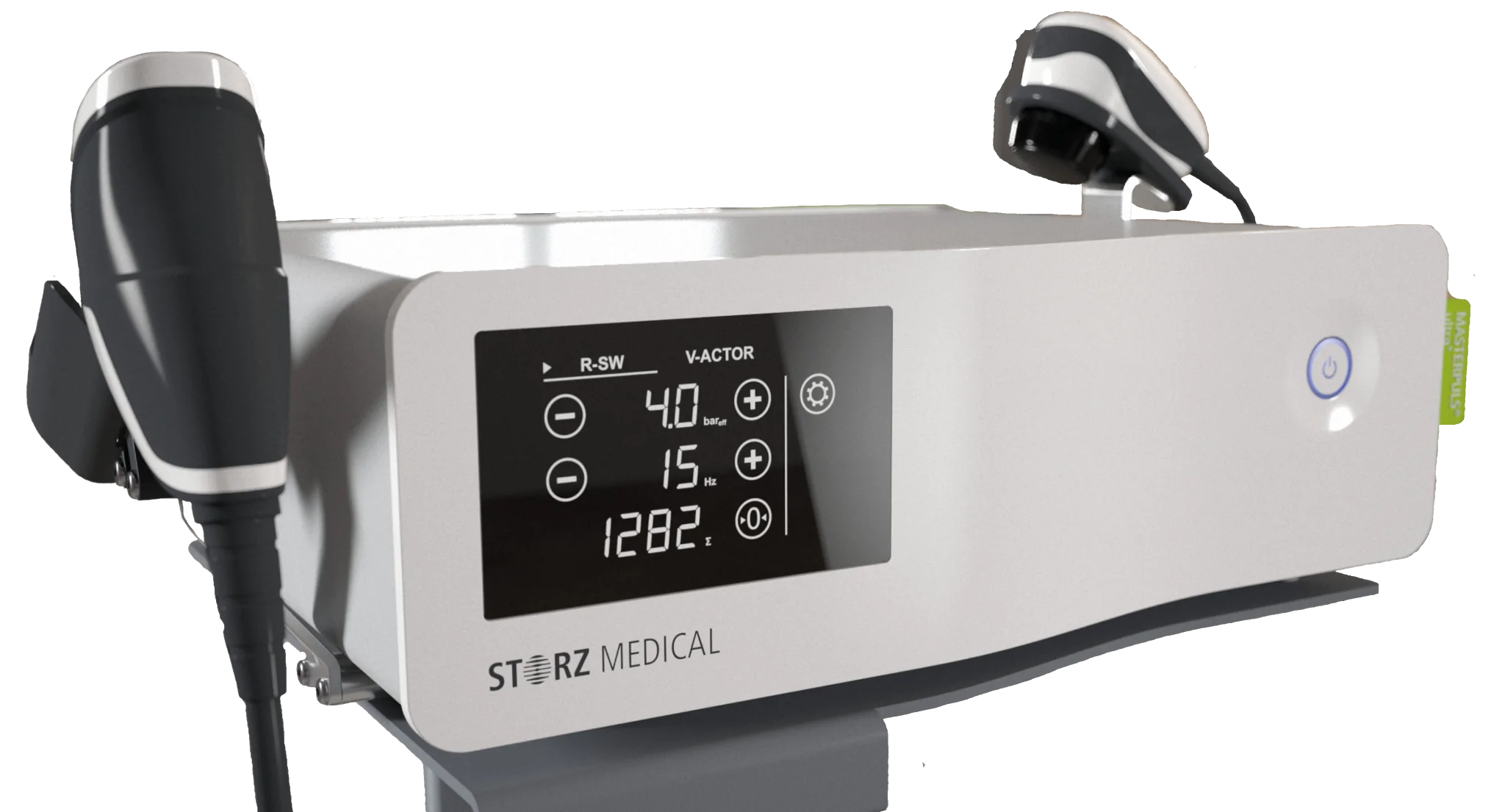
At Nobility Performance we use the Storz MP100 Plus, a premium electromagnetic shockwave unit that lets our clinicians dial in the exact depth and intensity your injury needs: strong enough for deep tendon work, controlled enough to keep sessions quick and tolerable.
“Built for the nagging injuries that don’t respond to rest alone.”
What It Treats
Stubborn Injuries, Meet Their Match
Shockwave is most effective on chronic tendon and soft-tissue problems: the ones that linger for weeks or months and don’t fully settle with rest, stretching, or ice.
Plantar Fasciitis
Stubborn heel and arch pain that bites first thing in the morning.
Achilles Tendinopathy
Chronic pain and stiffness along the Achilles tendon.
Tennis & Golfer’s Elbow
Persistent inner- and outer-elbow tendon pain.
Rotator Cuff & Shoulder
Nagging shoulder tendon pain and calcific tendinitis.
Patellar Tendinopathy
Jumper’s knee and pain just below the kneecap.
Shin Splints
Recurring lower-leg pain that flares up with running.
Hip & Glute Tendinopathy
Deep hip and glute tendon pain that limits training.
Chronic Trigger Points
Tight, tender muscle knots that won’t release.
How It Works
What to Expect
Shockwave is quick, in-and-out, and needs no downtime. Most people book a short course of sessions and feel their injury change along the way. Treatment is delivered with the Storz MP100 Plus handpiece, right to the injured area.
Quick Sessions
Each treatment runs about 10–15 minutes. A handheld applicator delivers pulses right to the injured area.
A Short Course
Most injuries respond best to a course of 3–6 sessions, usually spaced about a week apart.
Back to Training
Expect only mild discomfort during treatment and no downtime after. You can train the same day.
Stop Training Around the Pain
If a stubborn injury has been holding your training back, shockwave may be the push your body needs to finally heal.
Book an AssessmentPricing
Per-Session Rates
Pay per session. No membership required. Many clients need only a short course to feel real change.
One focused shockwave treatment on the Storz MP100 Plus. Most injuries need a course of 3–6 sessions.
Assessment First
Shockwave isn’t a self-serve or walk-in booking. New patients, or anyone who hasn’t been assessed for the issue they want treated, start with an assessment with our chiropractor or physiotherapist. If shockwave is a good fit, we book it as part of your care plan.
Insurance & Coverage
Shockwave can be claimed under either your chiropractic or physiotherapy extended health benefits. One important note: to bill under a given provider’s license, your assessment must be with that clinician: a chiropractor’s assessment to claim under chiropractic benefits, or a physiotherapist’s assessment to claim under physiotherapy benefits. Not sure which fits your situation? We’ll help you sort it out.
FAQ
Shockwave Therapy Questions
Do I need an assessment before shockwave therapy?
Yes. Shockwave isn’t a walk-in or self-serve booking. New patients, or anyone who hasn’t been assessed for the issue they want treated, start with an assessment with our chiropractor or physiotherapist. If shockwave is a good fit, we book it as part of your care plan.
Does shockwave therapy hurt?
You’ll feel a strong tapping or pulsing at the treatment site, and it can be tender over an injured area, but it’s brief and tolerable. Your clinician adjusts the intensity to keep it within your comfort, and any soreness usually settles within a day.
How many sessions will I need?
Most conditions respond best to a course of 3–6 sessions, typically spaced about a week apart. Your clinician maps out a plan based on your injury and how you respond.
Is there any downtime?
None. You can carry on with your day, even train, right after a session. It’s normal to feel mild soreness for 24–48 hours as the tissue responds.
What conditions does shockwave therapy treat?
Shockwave works well on chronic tendon and soft-tissue injuries: plantar fasciitis, Achilles tendinopathy, tennis and golfer’s elbow, rotator cuff and shoulder pain, patellar tendinopathy (jumper’s knee), shin splints, hip and glute tendinopathy, and stubborn trigger points.
How soon will I feel results?
Some people notice a difference within a session or two, but shockwave works by kickstarting your body’s healing, so the biggest gains build over the weeks following your course as the tissue repairs.
Is shockwave therapy safe?
Yes. It’s non-invasive, drug-free, and well established for musculoskeletal injuries. It isn’t right for a few situations (for example pregnancy, blood-clotting disorders, or certain conditions near the treatment site), so we screen you first.
Get Started
Ready to Break Through?
Book an assessment or reach out with questions. Our team will assess your injury and, if shockwave is right for you, build it into your care plan to get you back to full training.
Book an Assessment